Featured

Contrasting Typography

This week I am going to reverse engineer a example of typography. It is a really great example of contrasting fonts. The author of this piece is Teo Tuominen The link was found here http://thedesigninspiration.com/blog/2016/10/17/off-the-beaten-track/

However the picture was linked to here https://dribbble.com/TeoTuominen

The link above is his blog so if you would like more examples of his work I would check it out he has a lot of great pieces of typography.

Finland off the beaten track

Marked up Finland Off the Beaten Track

marked up Finland off the beaten track

As you can see this piece is pretty marked up. Like last weeks post I have left a handy number guide for easy reference. This makes it easier to tell what I am talking about.

Number one and two are different font types. Lets take a closer look at number one. Notice that there are no serif’s, a serif is the little lines on the letters. In the picture below I have marked some of the serif’s. Since the picture above has no serifs it falls under the font type of Sans serif, which literally translates as no serif. Also you can notice that there is no thick or thin parts of the letter unlike the L below. This is another attribute of the Sans serif.
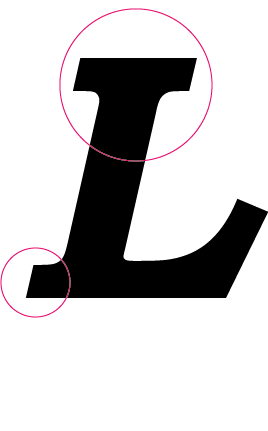
Number two is also a type of font. This time this type of font is decorative. Notice how distinctive the font is and how it draws your eyes to it as soon as you see it. That is a marker of a decorative font. This particular font looks like it came right out of the 60’s. This font would make a horrible font to read a book in but it works well for titles.

Number three is size. Notice how Finland and off the beaten track are two very different sizes. While Finland is at the top of the page and would normally be read first “off the beaten track” would instead be read first because of its large size and distinct font. If Finland and “off the beaten track were the same size they would conflict, while you would still read “off the beaten track” first you would be confused as to which message was the most important.

Number four is direction. Notice how Finland is curved almost around “off the beaten track.” That is because the author wants to emphasize that all of Finland is off the beaten track. It also breaks up the up and down alignment of the words below making the two parts of the message contrast even better. Also notice that Finland is in all caps while “off the beaten track” is not, this also helps separate the two different styles of text and makes the contrast even better.

In conclusion this is an interesting piece of typography that has great contrasting elements. I think one of the things that stood out to me the most was how the piece only had two different colors (if you consider white a color) but it used so many contrasting elements that the two parts of the message seemed both distinct and different from one another. I think that this is an excellent example of contrasting typography.

Elements of Photography

This weeks blog post I will go over different elements of photography with three professional photos and three photos that I have taken. I will cover leading lines, depth of field and, rule of thirds. This should make for an interesting blog post.

Leading Lines

This first picture is dealing with the photography element of leading lines. I found this picture on Pinterest this is the link https://www.pinterest.com/pin/316237205081826194/

I was not able to find the original author of this picture as the twitter page it was linked to was no longer there. If you happen to find the author of this piece send me a link so I can give them credit. This was the original link https://mobile.twitter.com/AbandonedPics/status/425115188631965696?screen_name=AbandonedPics

The next picture shows the markups to show off the natural leading lines that the picture has.

Drawn on picture of dock

Okay notice how I have drawn some lines onto the photo along the length of the dock. This is to point out the natural leading lines that the photo has. If you look at the original photo you will notice that your eyes naturally travel along the length of the dock. This demonstrates principle of leading lines.

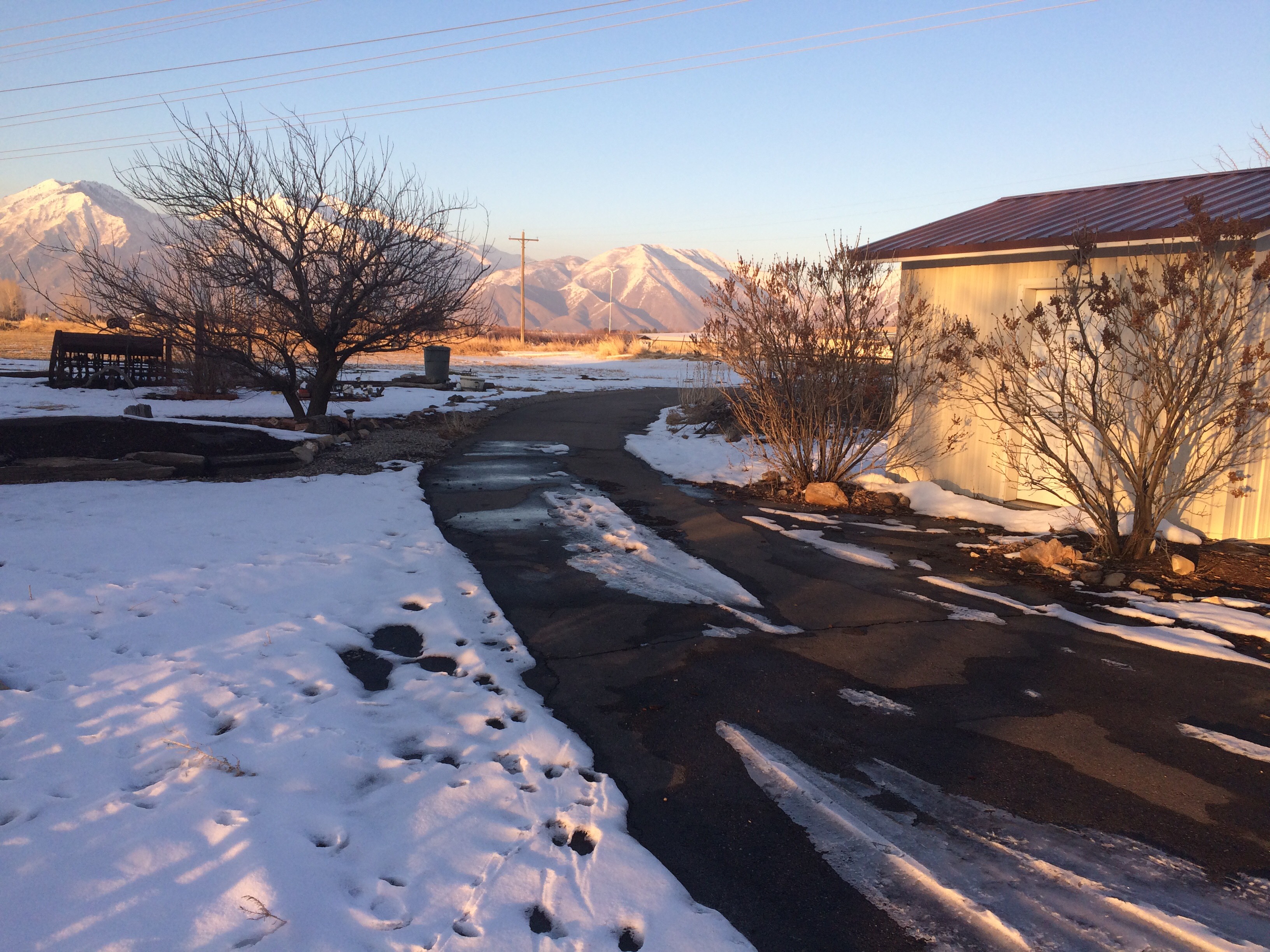
For the Next part of this post on leading lines I will show you a picture that I took, then I will draw over it to show leading lines. Sounds fun so lets get started

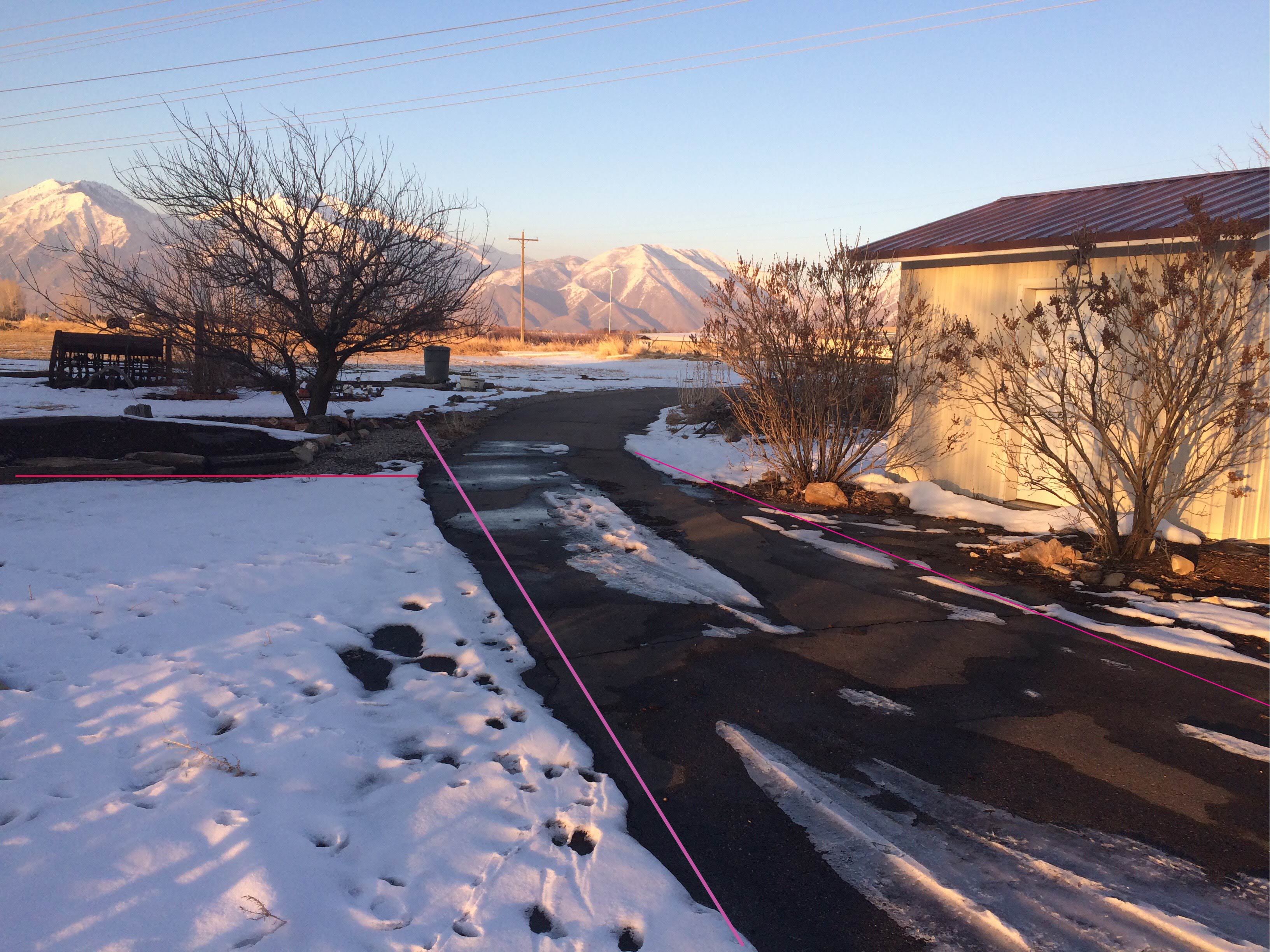
Okay do you notice that the road is a great leading line. If so great, I also noticed that there is another leading line. If you want to take a more in depth look at these leading lines, check out the draw over photo that is posted next. I drew on it with pink lines for greater emphasis.

Road with pink lines on

Depth of Field

For studying Depth of field Ross Chevalier has this amazing picture and blog post on depth of field. If you want to check out this author this is the link to his blog, the picture is all his https://blog.henrys.com/depth-of-field-and-the-hard-to-find-bokeh/?utm_term=Henrys%20Newsletter%20Main

light showing depth of field

Okay so the next I am going to put up the marked up picture to explain how this is a good example of depth of field.

Light picture marked up

For this photo I have circled the most important element of the photograph and labeled it 1, the other half of picture I have labeled as 2. Okay notice how the section labeled 1 is in focus and the section labeled 2 is really blurry and looks like background. This is how a shallow depth of field works. The most important piece is in focus while the rest of the piece blends nicely into the background. This helps create a great focal point while not interrupting it with objects in the background. Next I am going to post a picture that I took that has a shallow depth of field.

Bird Bath with bird in focus

This photo shows a really close up view of a birdbath. If you look very closely you will notice that the bird from the bird bath is in focus while everything else gradually fades into the background. While this point of focus is not as clear as it was in the last photo you can still see it, if you look hard enough. Below I have posted the draw over. It is very similar to the last draw over where the part in focus is labeled 1 and some other parts of the photo are labeled 2 to show that they are not in focus.

Bird Bath with circles on it

Rule of Thirds

The next picture will demonstrate the rule of thirds. I first found the picture on Pinterest here https://www.pinterest.com/pin/49610033381296821/

It was linked to the author’s Instagram account here https://www.instagram.com/p/BnlQYnXgZA2/?utm_source=ig_share_sheet&igshid=1mq63owiy40l3

If you really liked this photo check out more on the Instagram account.

Nature Train

So the next picture will be this picture but marked up. This will show the rule of thirds

Picture of a train divided into nine pieces
Train draw over

So notice in the picture that the focus of the picture is the train on the right. If you look carefully almost all the intersect points of the white lines part of the train is there. These intersect points allow the eye to travel around the piece and help the viewer focus on what is the most important object. In this case that is the train. Also notice that the top of the train is almost exactly lined up the the top horizontal line in the picture this also makes it very clear to the onlooker that the focal point of this piece is the train.

Farm equipment

In this picture you can see the farm equipment in the right corner of the picture. This piece of farm equipment is the focal point of the piece and if you look at the next picture that I will put up you will notice that it falls into one of the intersections of the 4 lines. This helps the eyes get drawn toward this part of the picture. Also notice how the leading lines of this picture almost follow where the horizontal lines in the draw over are helping frame the farm equipment, and emphasize the rule of thirds.

In conclusion this post is all about different design elements of photography that I have been studying over the past week. I really liked how easy it was to recognize different design elements once I had been shown what they looked like. I hope you to can enjoy the different design elements that I have found.

I Reversed Engineered a Business Card

Hello and welcome to my blog about cool design principles that I have found. For my first post I am going to tell you all about this really well designed business card I found floating around the web. It was originally found here http://thedesigninspiration.com/blog/2018/01/14/ph-d-business-card/

However the design was linked to http://velikiydesign.tumblr.com/

Go and check out more designs that the author has made if you enjoyed this one.

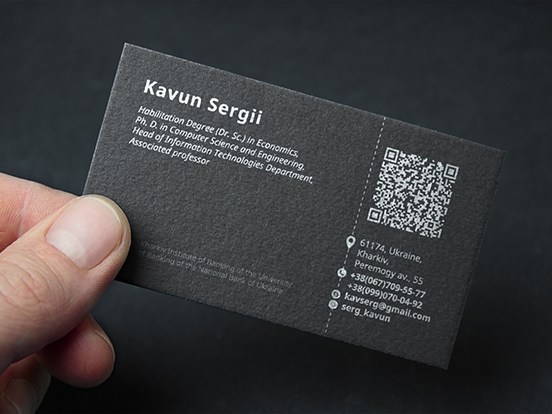
Okay lets get started on this great design. I plan to reverse engineer this design process and have marked up the business card for easier locating. I will refer to the numbers for each principle of design. This should make it easier to find and locate.

For number on the principle that I am identifying is alignment notice how the name and degree information are all aligned left making it easier to read and locate information. If you notice on the right hand side of the business card they are also aligned left. In fact the entire business card is aligned left except for the bottom portion which is not.

For number two I would like to point out the repetition. While you might have noticed above that the left alignment was repeated number two is pointing out how the very small graphics are using repetition. For instance they are all the same size. Also the text next to them is same fount leaving the reader of the card to believe that these things are related.

Number three is proximity. While the name and degree information are two different sizes and fonts when they are grouped this close together they look like they belong together. Also you can see this principle on the opposite side of the card with the contact information.

Number four is contrast. This is an easy card to tell contrast on since it uses the best contrasting elements. Those would be black and white. This makes the card really stand out and look different. If this business card had more then these two colors it would muddy the design and not make it stand out as much.

Number five is color. This card only uses two colors if you choose to call black and white colors. While this does not use much of the color theory this creates a dynamic effect by using the two best contrasting colors. Which I have described in the paragraph above. The black and white also make it look more professional and do not distract from the overall card.

In conclusion this is a simple but effective design that contains lots of design principles. In fact it contained all the design principles that I have learned about in class. It even has some that we did not go over like great use of negative space.

Design a site like this with WordPress.com
Get started